Conference Programme 2025
Download the conference programme:
View the Conference Programme
An overview of our workshop sessions are available below. Delegates will have the opportunity to pre-book onto sessions via the conference app which will be released closer to the conference. In the mean time download the programme and start planning your conference!
Plenary Sessions
 P1: Connecting the audience through transformative experiences
James Sills - energiser, musician, connector and coach
James is an experienced facilitator who regularly works with senior leaders at some of the world’s biggest companies / organisations, including Olympus, Saatchi and Saatchi and the NHS. He uses his experience to build connections, improve wellbeing and to spark joy, creating a transformational experience for all participants.
P2: Work Joy: Super Charge Your Squad - Supported by Five Mobility
Beth Stallwood, on behalf of Five Mobility
In a conference first, Five Mobility are giving you 45 minutes back, to invest in yourself and your squad. In this energising session, Beth Stallwood invites you to explore the power of your personal and professional networks, or ‘squad’, and discover how Work Joy can fuel better working lives. You’ll learn the six essential squad roles, practise giving and asking for help, and walk away with practical tools (and a few feel good moments) to boost your energy and impact at work. Expect real talk, connection, and a whole lot of joy.
 P3: The principles of patient handling
Håkan Skenhede: Global Educator in Patient Handling Principles
In 1978, Håkan Skenhede began practicing Jiu-Jitsu, the self-defense–oriented form of martial arts. At that time, the highest-ranked instructor and founder of this discipline in Sweden was Kurt Durewall. In his school, Durewall also taught how to apply Jiu-Jitsu principles to everyday situations, offering specialised training programs in areas such as:
• Moving and handling of patients
• Handling challenging behavior
• Ergonomic working methods in factories etc.
"In the beginning I was teaching techniques, but my teacher, Kurt Durewall, told me that I should teach principles instead. That was when I learned about the secrets behind the techniques - the principles.
When you understand the principles you can change the way you work and use your body at work and at home. This is the key to improve working technique.
Teaching is my life, my passion!
If I can make someone understand the principles of patient handling they will themselves be able to create the proper techniques. And they will be able to adapt the techniques to each unique situation when helping someone to move. Higher level of students will also see that the principles can be used 24 hours and everywhere, also in many areas outside the care sector."
 P4: A fireside chat with Tracey Carr - The view from the Bariatric sling
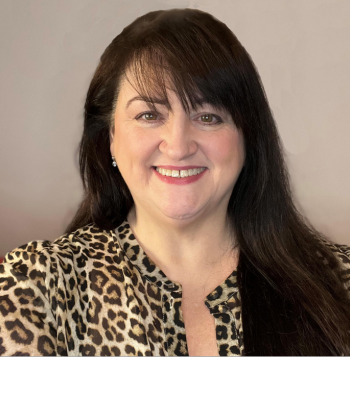
Tracey Carr, Bariatric consultant and patient advocate for people of size. Founder of Fat Lot She Knows
Tracey works as a Bariatric Consultant and as a patient advocate for people of size. She has over 20 years of experience, offering independent advice to a number of leading Healthcare companies. She works with staff, clients and students, offering advice and support to assist in the care provided for larger people. In addition she works as part of a team delivering training in the moving and handling of Plus Sized Patients.
Tracey will be sharing her honest and frank experience of bariatric care drawing on her own experience as well as that of others. She will be interviewed by our Co-Conference Director Valerie Phillips and welcomes questions from the audience on any and all areas of Bariatric care.
 P5: The Value of Seating in an Acute Neuro-Rehab Unit, A Clinical Research Study at West Virginia University Hospital - Supported by Seating Matters
Kirsty O’Connor, Clinical Training Manager and Occupational Therapist at Seating Matters.
Seating Matters shares groundbreaking clinical research from West Virginia University Hospital, highlighting improved function, comfort, and quality of care in a neuro-rehab unit.
Confirmed Workshops:
- C1: Natural patterns of body movement
Håkan is renowned in our industry as a Senior Manual Handling Consultant, having been instrumental in the introduction of using the body’s natural pattern of movement to find the best way to move patient’s in bed with the least resistance and impact on the carer. If Håkan’s name is not familiar to National Back Exchange members, the foundation of his techniques will be. This is a rare opportunity to hear directly from the man who developed these techniques.
Hakan Skenhede, Senior Manual Handling Consultant
- C2: Plus Size Turning Project with the Q2Roller® Lateral Turning Device - SPONSORED BY ETAC
This workshop looks at the Q2Roller® Lateral Turning Device and how its use can benefit users and carers. It will highlight a case study which took place in the allocated Plus Size Inpatient Unit at Hertfordshire Community NHS Trust where Q2Roller was one of 3 products chosen for a trial exploring equipment which would support safer moving and handling of plus size patients to reduce staff injuries. Following this trial and considering the lower costs and benefits of using this product, a project was undertaken to look at the costs and staffing benefits of using the Q2Roller. It was found to significantly reduce staffing time and costs when repositioning patients and enabling them sit on the edge of the bed. Less effort was required for the task and was lighter for carers when carrying out and as a result was recommended for use in the hospital. Furthermore, the Q2Roller enabled plus size patients to progress bed transfers earlier in their rehabilitation journey.
Robert Glanville, Etac
- C3: BackSmart in Action: Advancing Caregiver Safety with Stryker Ergonomic Solutions - SUPPORTED BY Stryker
- C4: Manual Handling Opinion in Litigation Cases - SUPPORTED BY A1 Risk Solutions
This session will explore the role of the expert witness giving manual handling opinion in litigation cases. The presenter will explain the role of the expert witness providing independent assistance to the court by giving an objective opinion in relation to the matters upon which they have the expertise. As an expert witness with over 13 years’ preparing reports for the court, the presenter will share her learning during this time and educate those who may be considering applying their knowledge and skills to the area of litigation claims.
Norma Findlay, Head of Clinical Operations, A1 Risk Solutions
- C5: Principles into Practice
A practical workshop focusing on the specialist techniques that can be used to fit and remove slide sheets and a sling. We will also look at principles around handler performance and how weight transference can be taught to facilitate safer handling. We would like to share our group knowledge and what we feel to be best practice when supporting a person on the bed or in seating, with the fitting and removal of a sling without the need for their physical assistance. We have based these techniques around patients who are end of life, high pain, overweight/+size, behavioural reduced comprehension and resistive to intervention.
Mark Hughes, Yorkshire Back Exchange
- C6: Person-centred, balanced and optimal manual handling risk assessments: a collaborative approach
The moving and handling risk assessor must not only assess the moving and positioning needs of the client, but must also consider the wishes and opinions of the client and all those around them, including formal carers, personal assistants, family members and others. This can be a challenging role, especially when not all these people will be in agreement as to the best solutions to reduce risk. Purposefully choosing to work collaboratively with the client and those around them, from the outset, increases the likelihood of implementing a successful and workable solution. This session will look at helpful published guidance that underpins this approach and will include information from relevant legal cases. We will then use a scenario for delegates to consider, assessing the manual handling needs of a person who is supported at home by their family and by personal assistants and where there is a range of opinions and views as to the optimal manual handling methods that should be used. We will share an example of copyright-free documentation that can be used and adapted, which helps us ensure that our assessments and recommendations are recorded in enough detail.
Elizabeth Hallows, Moving and Handling Specialist and Chartered Physiotherapist and Julia Maclean, Moving and Handling Specialist and Occupational Therapist
- C7: Risk Assessing Mobile Shower Chair Commodes SUPPORTED BY A1 RISK SOLUTIONS
Selecting the correct mobile shower chair commode is critical for ensuring patient safety, dignity, and optimal manual handling outcomes. This session will explore practical risk assessment approaches to support clinical reasoning and prescription decisions for mobile shower chair commodes in Hospital, community, and care home settings. Using case studies, participants will analyse how design, fit, and prescription decisions impact moving and handling risks for both the individual and staff.
Norma Findlay, Head of Clinical Operations, A1 Risk Solutions
- C08: Larger Patient: An ergonomic approach to care based on body shape - a hands on experience - SUPPORTED BY Five Mobility
Following the hugely popular NBE webinar for Moving & Handling Day, this in person, practical workshop explores ergonomic handling strategies for larger patients, focused on body shape as well as body size. Led by Lee Sherwood of Elevate Handling, the session offers hands on experience with equipment and techniques designed to protect both caregiver and patient. Expect real scenarios, open discussion, and evidence based approaches that prioritise safety, dignity, and confidence when supporting plus-size individuals.
Lee Sherwood, Five Mobility
- C09: A Quality Improvement Case study - Specialist seating project
How do we evidence to our organisations the positive impact we have on patient care? Using a quality improvement methodology can demonstrate the improvements in patient care made by moving and handling teams. This methodology allows us to provide evidence on how the change we have implemented has impacted on staff and patients.
Helen Naylor, Lead Manual Handling Specialist Advisor, Bradford Teaching Hospitals NHS Foundation Trust
- C10: Emergency evacuation from birthing pools
A theory/practical session sharing the skills and knowledge of safe midwifery evacuation from a birthing pool. These skills include pool positioning whether in hospital, birth centre or at home. Discussion surrounding when emergency evaluation maybe required, albeit very rare and barely documented in any research. Midwives need to ensure they have appropriate, robust equipment and training to ensure safe evacuation for staff and mother/baby. Time will be given to show a short training dvd from silvalea.
Dianne Garland, Freelance midwife, founder midwifeexpert.com
- C11: The value of repositioning: defining the value of patient handling and positioning devices through clinical evidence, to support reduction in risk of both caregiver injury and pressure ulcer development - SUPPORTED BY ARJO
Clinical evidence plays a vital role in assisting facilities and caregivers to make value based choices when selecting the most appropriate solutions for patient care. This combined theory and practical workshop will challenge the participant to evaluate patient handling and repositioning devices from a value based perspective, through an understanding of clinical evidence and practical application of the devices in the care flow
Carol Sinden, Global Director, Patient Handling and Hygiene, Arjo
- C13: Reducing the MSK risks to staff in a Forensic or Mental Health environment
The session will include how to complete a REBA assessment to support with equipment selection while providing safe and dignified care to patients in a predominantly mental health care ward. 2 postures while carrying out manual handling will be analysed and then compared to illustrate how providing our traditionally mental health patients with the correct bed can then reduce musculoskeletal health risks for our staff. The process of postural analysis will be talked through and then staff will have an opportunity to assess each others posture when carrying out manual handling activities.
Alison Smith Specialist Advisor & Trainer, Elite Manual Handling Services
- C14: How to undertake a Business Case
One of my bigger projects is to promote patient mobility and the importance of keeping our patients moving. The effects of immobility Older people in hospital who are confined to bed are at risk of losing physical condition, function and independence; this is known as deconditioning and is one of the most common reasons for delayed hospital discharge. One of the biggest causes of deconditioning is lack of equipment because it’s too expensive or procurement don’t feel it’s important to spend this money. Building the business case with help you support the funding and what is needed to ensure you get the right documentation to present your case. By analysing costs, benefits, risks, etc., an organization's business case helps to inform your healthcare to spend money in the right direction of care.
Sharon Rindsland, Moving and Handling Senior Co-Orindatior, East Kent Hospitals NHS Foundation Trust
- C15: What is good posture? Is it the same for everyone?
In health and social care we are constantly assessing ‘good posture’ to reduce the risk of musculoskeletal disorders within the workforce. This session will look at current guidance and evidence to support trainers, assessors and handlers within this complex area. Historically, handlers were trained, when lifting, to ‘bend your knees and keep your back straight’. Is this right? We will look at this practically and discuss your thoughts and considerations when assessing or observing handlers/staff at work or DSE users. We will include current guidance on the principles, when lifting, moving and handling, sitting, awkward static fixed working positions and general day to day work and home situations and some tools to assist with assessment.
Lois Lees, Moving and Handling Training and Consultancy
C16: NBE Standards in Practice: Embedding Excellence in Moving and Handling
This session will introduce and explore the upcoming Standards of Practice endorsed by the National Back Exchange (NBE), which define what excellence looks like across the moving and handling system. Taking a systems-based perspective, the Standards offer a structured framework for embedding safe, effective, and person-centred practice at every level of an organisation.
A key component of the Standards is the Optimised Approach to Moving and Handling, which clearly defines the scope and position of moving and handling within the wider health and care system. It recognises moving and handling as a distinct field of practice that intersects clinical care and risk management.
We will also delve into the Competence Pathway for Practitioners, a development-focused framework that supports consistent, measurable progression from foundational to expert levels across the workforce. In addition, we will explore the role of System-Level Training and Education, highlighting the importance of organisational infrastructure, leadership, and governance in sustaining high standards.
Sarah Thornton, Kirklees Council
- C17: Help me to the toilet please? An interactive workshop focusing on the use of adaptive clothing and slings to support functional continence
Many nurses and therapists visits patients where their continence needs are not fully met. One of the main criticism of community care is 'what happens in-between the care calls?' Unmet continence needs result with reduced dignity and an increased risk of pressure ulcers. This session, explores a complex case. The patient had mild cognitive deficit and was unable to verbalise her transfer preferences. Using a behavioural tracking tool, the moving and handling lead was able to support her patient's wishes and record her responses to unsafe manual lifting through to the sling options offered. The session explores the use of adaptive clothing and sling options to support positive continence. The outcome of the choices has enabled no court of protection against the LPA, LPA being to support single assist transfers on and off the toilet in-between care visits.
Melanie Furness, Moving with Dignity Team Manager, Norfolk County Council
- C18: Legs into bed. Evaluating options and reducing risks
Kent Group NBE feel this basic task is necessary in all health care settings with all age groups. It can be a painful experience for the client and carer, raising anxiety levels in many. It is such a personal experience centred around individuals health, pain threshold, strength and flexibility levels. Is it better to use accessories? Is it better to purchase mechanised options to be entirely hands off? Let's try as many options as we can and evaluate our experiences, then discuss skill levels required. Help us to choose what to teach, when and to whom.
Sue Lenihan, Lead Moving & Handling Advisor, Kent & Medway NHS and Social Care Trust
- C19: “On the surface of it” – evaluating the effect of the surface on the physical demands placed on handlers during lateral transfers.
This session would provide a summary of my MSc dissertation investigating whether the firmness of a clinical surface influences the physical demands placed on handlers when moving a subject with a friction reducing device (FRD) in a lateral transfer. Physical demands were measured by recording peak hand forces and self-reported rates of perceived force. Hand forces were used to calculate the co-efficient of friction between different combinations of surface and FRD and demonstrated an inversely proportional relationship between surface firmness and co-efficient of friction. The literature supports the use of air assisted devices for lateral transfers, but this study suggests this is only true on firm surfaces. The findings related to the use of air assisted products produced surprising results which may have significant implications for their rising popularity in clinical practise.
Sally Morrow, Senior Moving and Handling Adviser, Manchester Foundation NHS Trust
C20: Evaluating a Virtual Reality Platform for Bariatric Moving and Handling Education
The moving and handling of people of larger size presents challenges within healthcare systems, contributing to preventable staff injuries and compromised patient safety. This study evaluated the suitability, usability, and user experience of a prototype virtual reality (VR) bariatric moving and handling platform, across diverse healthcare contexts. The platform was designed as a clinical decision-making learning tool to enable safe, dignified moving and handling practices for people of larger size. Participants from three stakeholder groups trialled the VR moving and handling system and provided feedback through standardised questionnaires and structured interviews. This innovative VR platform integrates clinical decision-making with safe moving and handling practices for people of larger size. The prototype creates two immersive scenarios embedding workplace safety culture alongside complex patient interactions. The VR approach enables repeated practice of moving and handling procedures without patient risk, providing consistent training experiences and address bariatric equipment orientation. The platform represents significant advancement in bariatric education, promoting understanding of patient dignity and safety while building health professional aptitude.
Dr Caz Hales, Associate Professor in Nursing, Victoria University of Wellington
- C21: Beyond manual handling training - development of 24 hour postural care passport for support workers - SUPPORTED BY A1 Risk Solutions
Chronic poor posture can lead to serious health issues like body shape changes, respiratory and digestive problems, skin breakdown, and pain. To address this, the National Postural Care Strategy Group in Scotland was formed in 2018 to implement the "Your Posture Matters" strategy and promote collaboration across health and social care. Their work highlights the importance of 24-hour postural management in preventing complications, especially for people with conditions like cerebral palsy. The session will showcase a partnership with Capability Scotland, which developed a postural care policy and training program for support workers to improve outcomes and prevent secondary issues such as pressure injuries and contractures.
Norma Findlay, Head of Clinical Operations, A1 Risk Solutions
- C22: Keeping Our Patients Mobile - SUPPORTED BY SEATING MATTERS
Kirsty O’Connor, Clinical Training Manager and Occupational Therapist at Seating Matters
- C23: Intimacy, Sex & Disability: Understanding Legal and Physical Support Needs
Sexuality is a fundamental part of human identity, yet conversations around sex and disability remain taboo, often leaving disabled individuals without the guidance, support, and autonomy they deserve. My session will explore the intersection of disability, intimacy, and sexuality, addressing both the legal frameworks that govern this area and the physical support needs that may arise. Many individuals with disabilities require assistance to engage in intimate relationships, yet professionals often lack the knowledge or confidence to support them effectively. My presentation will highlight the key challenges faced by individuals with disabilities regarding sex and intimacy, including consent, accessibility, physical support, and the role of caregivers. I will also examine the ethical and legal considerations surrounding this topic, including the Mental Capacity Act, safeguarding responsibilities, and professional boundaries.
Daniele Paige, Director, SupportiveAction Risk Management
C25: DSE Workshop
This workshop is being delivered in response to last year's feedback, requesting a focus on DSE assessments. It will help to refresh your DSE Knowledge. Tackle the more complex situations, where employees have additional challenges, whether psychosocial or additional needs. It will look to address the myths surrounding DSE assessments and the provision of specialist equipment. It will also help you understand when an onward referral is needed and to whom. In short, how to make your DSE assessments truly effective.
Rebecca Mead, Clinical Operations Lead, Specialist Occupational Health and Musculoskeletal Physiotherapist
C26: Paediatric Moving and Handling Tips and Tricks
The session aims to look at a variety of ways of moving and handling children based on the presenters extensive knowledge and experience in the world of paediatric manual handling. The session will be practically based covering a wide range of tips and tricks, from rolling children with altered body shape due to their disability using a “hands on” approach and using small pieces of moving and handling equipment. This will include scenarios for positioning in prone for therapy or turning into side lying on a postural support platform. The session will also cover the conundrum of manually lifting children, when is it acceptable?
Penny Townsend, Moving and Handling Consultant